
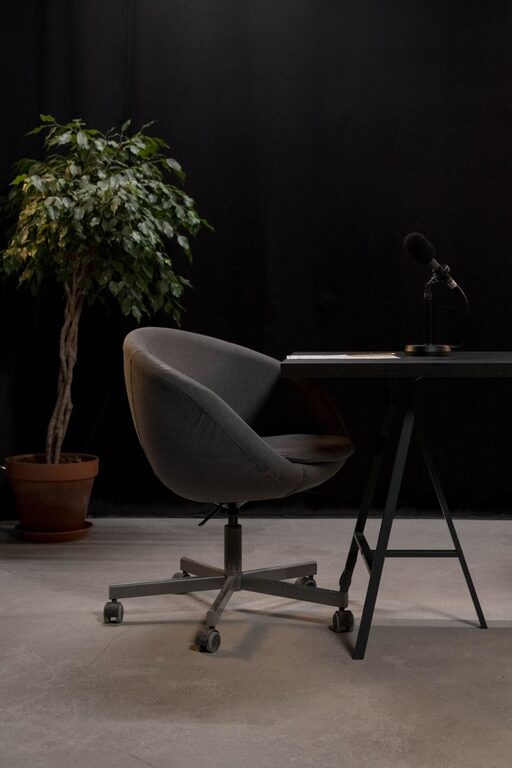
Creating a home workspace that is both cozy and functional can significantly improve your productivity and well-being. Whether you work from home full-time or occasionally need a dedicated area for tasks, designing a space that supports focus and comfort is essential. In this post, we’ll explore practical tips to help you develop a workspace that feels inviting without sacrificing organization or efficiency.
Why a Cozy and Functional Workspace Matters
A workspace that balances comfort and utility encourages you to stay motivated and reduces distractions. When your environment supports your needs, you’re less likely to feel fatigued or stressed throughout the day. This is important whether you have a small corner or an entire room available.
Choose the Right Location
Start by selecting a spot with good natural light if possible. Natural light can improve mood and energy levels, making it easier to stay alert.
– Consider noise levels: Pick a quiet area or invest in noise-canceling headphones if that’s not an option.
– Accessibility: Ensure your workspace is easily accessible so you can transition smoothly between work and other daily activities.
Invest in Comfortable Seating
Your chair is one of the most important elements of your workspace. Comfort and ergonomics should guide your choice.
– Ergonomic chairs help maintain good posture and reduce back strain.
– If space is limited, consider a supportive seat cushion or lumbar pillow.
– Adjust your chair height to position your feet flat on the ground and your arms at a comfortable angle when typing.
Optimize Desk Setup
Your desk should fit your workflow and provide enough space for essentials without feeling cluttered.
– Desk size: Choose a surface large enough to hold your computer, a notebook, and other tools you use regularly.
– Height: Adjust desk height for comfortable typing and screen viewing.
– Use monitor stands or laptop risers to keep screens at eye level and reduce neck strain.
Organize with Purpose
A cluttered surface can hinder productivity. Use organizational tools to keep items neat and within reach.
– Desk organizers: Trays, pen holders, and file sorters keep small items tidy.
– Shelving and drawers: Utilize vertical space to store books, supplies, and documents.
– Label storage bins and folders to quickly find what you need.
Personalize Your Space
Adding personal touches can make your workspace more welcoming and inspiring.
– Use artwork, plants, or meaningful decor.
– Choose calming colors or patterns that make you feel relaxed.
– Incorporate a small plant to bring life and improve air quality.
Manage Lighting Thoughtfully
In addition to natural light, good artificial lighting helps reduce eye strain, especially during evening work.
– A desk lamp with adjustable brightness allows you to control lighting based on task needs.
– Avoid harsh overhead lights; instead, opt for soft, diffused lighting that creates a cozy atmosphere.
– Position lights to minimize glare on your computer screen.
Minimize Distractions
Keeping your workspace free from distractions supports focus and efficiency.
– Use wireless devices to reduce cable clutter.
– Turn off unnecessary notifications on your phone or computer.
– Consider using a white noise machine if you work in a noisy environment.
Encourage Movement and Breaks
A healthy workspace encourages movement throughout your day.
– Use a timer or productivity app to remind you to take regular breaks.
– Incorporate a standing desk or adjustable desk converter to alternate between sitting and standing.
– Keep a water bottle nearby to stay hydrated.
Keep It Clean and Fresh
A clean workspace feels more inviting and helps keep your mind clear.
– Schedule weekly cleaning to dust surfaces and vacuum floors.
– Open windows when possible to bring in fresh air.
– Use air-purifying plants or diffusers with subtle scents for a pleasant environment.
Final Thoughts
Designing a cozy and functional home workspace takes some planning but greatly benefits your work habits and comfort. By selecting the right location, investing in ergonomic furniture, organizing thoughtfully, and adding personal touches, you can create a space that supports productivity and well-being. Remember that your workspace should reflect your needs and preferences — don’t hesitate to adjust it over time as your routine or tasks change.
Start small, focus on comfort and organization, and enjoy the positive impact of a well-designed home workspace.