
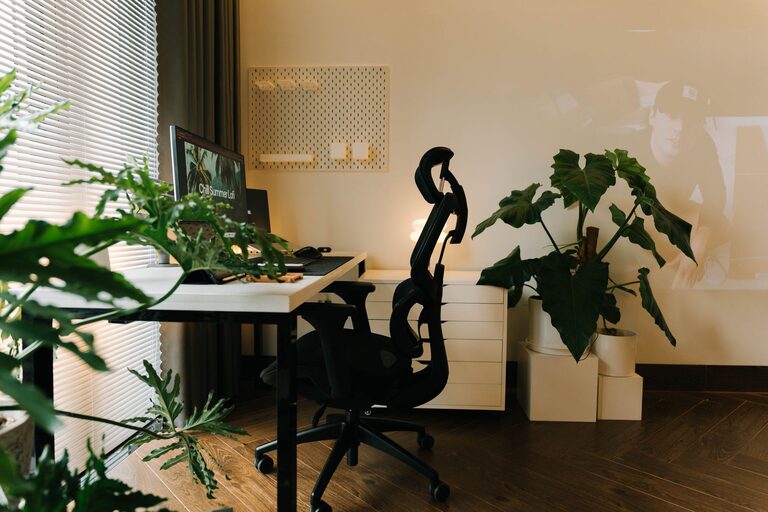
Creating a home office that feels cozy and inviting is more important than ever, especially as many people spend more time working from home. A well-designed workspace can enhance focus, reduce stress, and even increase productivity. If you want your home office to be a pleasant place to spend your day, it’s essential to combine comfort with functionality. Below are practical tips for designing a home office that feels both welcoming and efficient.
Choose the Right Location
Prioritize Natural Light
Select a spot in your home that gets plenty of natural light. Sunlight not only brightens the room but also helps regulate your mood and energy levels. Ideally, position your desk near a window, but be mindful of glare on your computer screen.
Consider Privacy and Quiet
Choose a location that minimizes distractions. If possible, select a room or corner away from noisy areas like the kitchen or living room. Using room dividers or noise-canceling materials can help make the space quieter.
Select Comfortable and Supportive Furniture
Invest in a Good Chair
Comfort is key for long hours spent working. Look for an ergonomic chair that supports your back and encourages good posture. Adjustable features in height and armrests allow you to customize the chair to your body.
Choose a Desk That Fits Your Needs
Your desk should provide enough surface area for your computer, paperwork, and other tools. Consider options with built-in storage or shelving to keep essential items within reach without cluttering the space.
Use Soothing Colors and Decor
Pick a Calming Color Palette
Colors like soft blues, greens, and warm neutrals create a relaxing environment. Avoid overly bright or harsh colors that can be distracting or tiring over time.
Personalize with Meaningful Items
Add a few personal touches like photos, artwork, or plants to make the space feel uniquely yours. Just be careful not to overcrowd the area, which can reduce focus.
Incorporate Proper Lighting
Combine Task and Ambient Lighting
Besides natural light, include a mix of lighting types. A desk lamp provides focused light for tasks, while softer ambient lighting creates a comfortable atmosphere. Adjustable lighting can help you tailor the brightness throughout the day.
Avoid Harsh Overhead Lighting
Bright, unfiltered overhead lights may cause eye strain. Use diffused light sources or cover fixtures with softer shades to create a warm glow.
Stay Organized
Use Storage Solutions
Clutter can quickly make a space feel chaotic. Use shelves, filing cabinets, or desk organizers to keep papers and supplies neatly stored away.
Keep Frequently Used Items Accessible
Arrange items you use daily within reach to avoid disrupting your workflow. This can include pens, notebooks, or your phone charger.
Add Comfort Features
Include Soft Textiles
Throw blankets, cushions, or a small area rug can add warmth and comfort. These elements also help absorb sound, contributing to a quieter space.
Control Temperature and Air Quality
A comfortable temperature is important for focus. Use fans, heaters, or air purifiers as needed to maintain a pleasant environment.
Create Zones for Different Activities
Separate Work and Relaxation Areas
If space allows, designate places for different purposes. For example, a small reading chair can provide a spot to take breaks without leaving your office.
Use Visual Dividers
Bookshelves, screens, or curtains can divide the room and help change the vibe between areas.
Set Up Technology Thoughtfully
Manage Cords and Devices
Keep cables organized to avoid tangles and hazards. Cable clips or sleeves can make your setup cleaner and safer.
Choose Quality Equipment
Investing in a reliable computer, keyboard, and mouse contributes to comfort and efficiency during work hours.
Maintain a Healthy Work-Life Balance
Establish a Routine
A defined schedule helps separate work time from personal time. Try to start and end your day consistently.
Make Time for Breaks
Design your office to encourage short breaks, such as keeping a water bottle nearby or installing a clock as a gentle reminder.
—
Creating a cozy and inviting home office is about balancing comfort with function. From picking the right location and furniture to thoughtful lighting and organization, small changes can make a big difference. With these tips, you can craft a workspace that helps you feel motivated, relaxed, and ready to tackle your tasks.