
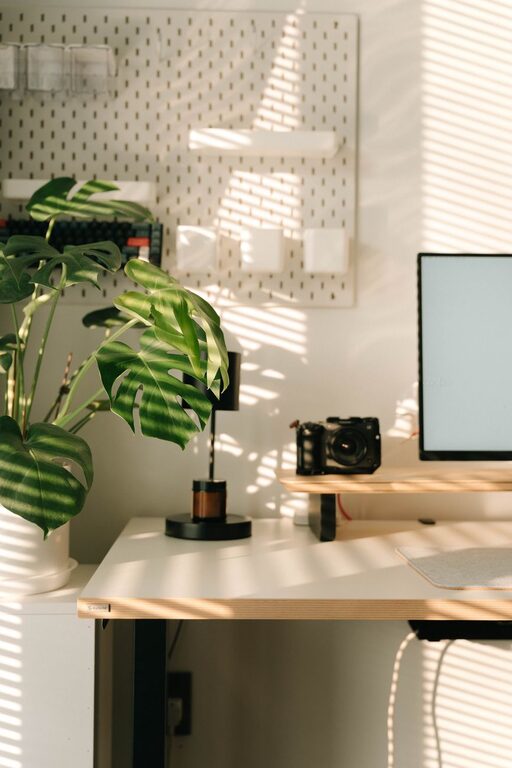
Creating a relaxing home workspace is essential for maintaining productivity and promoting well-being, especially as more people embrace remote work. A well-designed workspace can help you stay focused, reduce stress, and create clear boundaries between work and personal life. In this post, we’ll explore practical tips to transform your home office into a calm and productive environment.
Why a Relaxing Workspace Matters
Working from home offers many benefits but also comes with challenges such as distractions and lack of structure. A relaxing workspace helps by:
– Encouraging focus and reducing mental fatigue
– Decreasing stress through a pleasant environment
– Supporting healthy habits like proper posture and movement
– Creating clear separation between work time and rest time
With these benefits in mind, let’s dive into actionable ways to create your ideal home workspace.
Choose the Right Location
Picking a suitable spot for your home office is the first step.
– Natural Light: Aim for a space with plenty of natural light. Sunlight boosts mood and energy, making it easier to stay focused.
– Quiet Area: Choose a location away from noisy household areas to minimize distractions.
– Proper Ventilation: Fresh air helps maintain alertness throughout the day.
– Space to Move: Ensure there’s enough room for your desk, chair, and some movement to promote comfort.
Invest in Ergonomic Furniture
Comfortable and supportive furniture is key to a relaxing and productive workspace.
– Ergonomic Chair: Look for adjustable chairs that support your spine and encourage good posture.
– Desk Height: Your desk should allow your arms to rest comfortably while typing, ideally at a 90-degree angle.
– Monitor Position: Place your monitor at eye level to avoid strain on your neck and shoulders.
– Footrest: If your feet don’t rest flat on the floor, a footrest can improve circulation and comfort.
Declutter and Organize
A clutter-free workspace reduces stress and helps you focus.
– Clear Surfaces: Keep your desk tidy with only essential items within reach.
– Storage Solutions: Use shelves, drawers, or organizers to store supplies neatly.
– Cable Management: Use clips or ties to organize cables and prevent tangles.
– Daily Cleanup: Spend a few minutes at the end of each workday tidying your area.
Use Soothing Colors and Decorations
The colors and décor in your workspace impact your mood and focus.
– Colors: Soft blues, greens, or neutral tones can create a calming atmosphere.
– Plants: Adding indoor plants improves air quality and adds a touch of nature, which can reduce stress.
– Artwork: Choose artwork or photos that inspire and relax you without being distracting.
– Personal Touch: Incorporate meaningful items that make the space feel inviting.
Optimize Lighting
Proper lighting helps reduce eye strain and enhances your productivity.
– Natural Light: Maximize daylight whenever possible.
– Task Lighting: Use desk lamps with adjustable brightness for focused tasks.
– Avoid Glare: Position screens and lights to minimize glare on your monitor.
– Warm Light: Choose warm white lights over cool white to create a cozy ambiance.
Incorporate Break Zones
Taking breaks away from your desk supports mental and physical well-being.
– Separate Space: If possible, designate an area to step away from your workstation.
– Comfortable Seating: Include a chair or cushion for short relaxation sessions.
– Stretching Area: Allocate a small space for stretching or light exercises.
– Mindfulness Spot: Consider a corner for meditation or deep breathing.
Manage Noise Levels
Noise distractions can significantly impact focus.
– Noise-Cancelling Headphones: Use headphones to block out ambient noise.
– Sound Machines: Try white noise or nature sounds to create a peaceful background.
– Soft Furnishings: Rugs, curtains, and cushions help absorb sound.
– Communication: Set boundaries with household members during work hours to reduce interruptions.
Maintain Healthy Habits
Your workspace should support habits that promote productivity and well-being.
– Hydration Station: Keep a water bottle nearby to stay hydrated.
– Healthy Snacks: Have nutritious snacks accessible to maintain energy.
– Movement: Take regular breaks to stand, stretch, or walk around.
– Work Routine: Set consistent work hours and create a start/finish ritual.
Utilize Technology Wisely
Technology is vital but can also cause stress if mismanaged.
– Organize Digital Files: Keep your computer desktop and folders tidy.
– Notifications: Turn off non-essential notifications to maintain concentration.
– Ergonomic Accessories: Use wireless keyboards and mice to increase comfort.
– Productivity Tools: Consider apps or timers for task management and focus.
Final Thoughts
Creating a relaxing home workspace takes thought and effort but pays off with enhanced productivity and improved well-being. By focusing on location, furniture, organization, lighting, and healthy habits, you can design a space that nurtures your work and your mind. Start small by implementing one or two tips today and build a workspace that supports your best work and your best self.